About Me

My photo
I am a Shark and Big Animal Photographer and the Founder of Big Fish Expeditions. I also pilot research submersibles on rare occasions but primarily I photograph sharks and rays. The shark images that I take have been used in many commercial publications but most importantly I try to concentrate on shooting rare and endangered species of sharks for conservation initiatives. It is a labour of love.
Showing posts with label tiger shark. Show all posts

Wednesday, June 6, 2012

The SECOND Biggest Fish in the Sea


Its been an awesome year so far but before I talk about the action on the last few trips, lets talk about the second biggest fish in the sea:

BASKING SHARKS!
Next June/July I have organized a very unique adventure. Join me on the Isle of Mull off the west coast of Scotland to dive with feeding basking sharks. Although there are other locations like Cornwall and the Isle of Man that get sporadic sightings, nowhere is as reliable as the seas around the Isle of Mull. As well as the frequency of encounters, the visibility this far north is far superior as well, making this the ideal location for serious shark hunters.
We will also dive with friendly grey seals, photograph any whales and dolphins that we see and generally soak up the atmosphere of the Inner Hebredes in a fun filled week on the water.
At night we'll either be staying in a stone cottage in the quaint village of Tobermory or camping on the outer islands right where the sharks are. To me, this sounds like an awesome adventure. Apparently I'm not alone because the first trip sold out the day I posted it on Big Fish Expeditions. The second week has four spots open so jump in while you can! Check out the images, info and an awesome video by Film Maker Simon Spear about the amazing wildlife around the Isle of Mull: Basking Shark Expedition

diving with basking sharks


MANTAS, TIGERS & OCEANIC WHITETIPS
Building on the success of seeing smalltooth sandtigers at Malpelo, our next adventure was in Rugged Socorro which is 200 miles south of the tip of Baja. The manta action at the islands was off the hook. We encountered giant mantas on virtually every dive but unlike many other places around the world, the mantas at Socorro actually crave the company of divers. Many times, a manta would find us and hang out for the entire dive playing in our bubbles. It was a fantastic experience for everyone that went. Read more in the Socorro trip report.

After Socorro I led back-to-back trips to Tiger Beach and Cat Island. Of course Tiger Beach was non-stop shark action everyday but Cat Island far exceeded my expectations. Stuart Cove bought one of his boats over to the island especially for this trip and although the persistent wind made the surface a bit bumpy, we simply submerged into the tranquility of the underworld surrounded by oceanic whitetip sharks on every dive. On our first (and best) day we had 12 big oceanics surrounding our small group of divers! There are some great pics from the trip in the Cat Island Oceanic Expedition Trip Report. I've booked back to back dates again next year and not surprisingly the boats are already half full.

diving with oceanic whitetip sharks

WHALE SHARK AGGREGATIONS
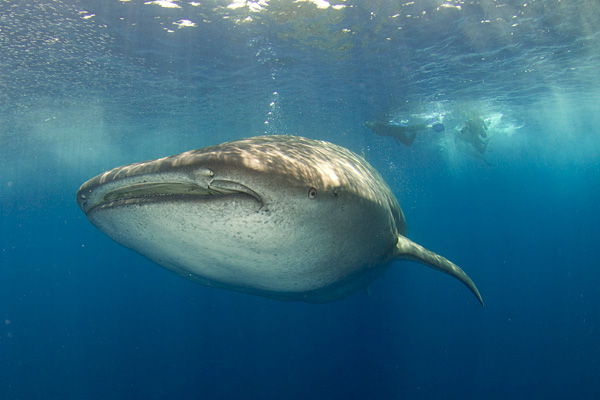
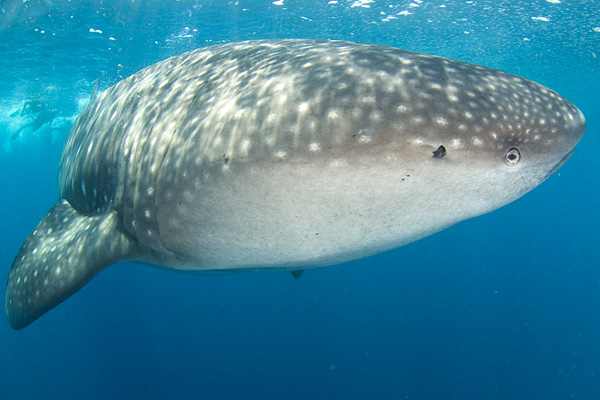
Next up on the Big Fish Calendar is whale sharks at Isla Mujeres in July. This should be a lot of fun. The world's biggest fishes aggregate off of Isla Mujeres each July to feed and we'll be there to play with them! There are two spots left on the second trip. If you've never dove with a whale shark don't miss this opportunity:Whale Shark Expedition

whale shark trips

Less than a week after returning from Whale Sharks at Isla Mujeres, its time for Sharkfest. As I write this there is one spot left on the trip which I'm sure will be gone in no time. Sharkfest is a fun filled weekend with three days of diving with Sandtiger Sharks, a night where we screen the best recent shark films and a cook out on the last night. This is the third annual Sharkfest and although its a bit of a monster to organize, I don't think I can break tradition now. So, if you can't come this year then please pencil it into your calendar for next August: SHARKFEST

THE SEA OF CORTEZ WHALES AND HUMBOLDTS EXPEDITION
Then its time for my last guest trip of the season. This will be my second year in the Sea of Cortez diving with whales, sea lions, humboldt squid and sharks. By far the most diverse trip on the Big Fish Itinerary, if you're looking for an adventure with lots of diving plus marine mammal encounters, you can't go wrong in theSea of Cortez

sea of cortez diving


PREDATORS IN PERIL
This fall, I have purposely avoided scheduling any Big Fish Expeditions. I love running guest trips but there is work to be done. I am planning two trips to Mexico to work with researchers and fishermen to try to document more of the endemic shark species that divers do not normally get the chance to encounter. In particular, there are a number of smoothhound shark species that need some time in the spotlight. Hopefully, by the end of the year I should have at least one or two documented but I'm hoping for more. If you've never seen a smoothhound shark, this image shows a Gulf of Mexico Smoothhound; an animal that lives in deep water in a tiny pocket of ocean in the northern Gulf and is therefore extremely vulnerable to depletion.

gulf smoothhound

While I'm on the subject of Predators in Peril, you may remember that last year I had the opportunity to photograph deep sea gulper sharks with Edd Brooks from Cape Eluethera Institute. Since then Edd has moved into the next phase of the project which involves monitoring activity and species composition on the actual sea floor rather than bringing sharks up to the surface. Here is a link to a video about his recent work: http://www.youtube.com/watch?v=e4ecOlFVoSE&feature=share


2013 EXPEDITIONS
Next year's schedule is getting ridiculously busy already. In January we'll be in Mexico for the sailfish migration. Divers can see up to 40 or 50 sailfish attacking enormous bait balls; a spectacular sight! (Just three spots left).

diving with sailfish

Then in February, we're heading to French Polynesia on a shark safari of epic proportions. First stop will be Moorea to dive with sicklefin lemon sharks. Then we are heading to Fakarava 'where it rains sharks' to dive with 5 species including hundreds and hundreds of grey reef sharks. In my entire shark diving career I have never seen this many sharks in one place. Join me in paradise for an amazing shark filled adventure: French Polynesia Shark Safari

tahiti diving

Then a brand new experimental trip. In late Feb, Great Hammerheads congregate in an area near the island of Bimini in the Bahamas. Great hammerheads are usually extremely difficult to see (as many frustrated photographers will tell you). But, in this one small area, Great hammers have been reliably documented by the shark researchers that are based on Bimini. This year, Stuart Cove took his boat over to to try to chum up the sharks and he was extremely successful. At one point he had a 4 or 5 great hammers around the bait. That is the best encounter I have ever heard of so I have asked Stuart to bring his boat back next year to try to repeat the excitement. If you're an experienced diver and you've been waiting for the chance to add a great hammerhead to your life list, this is the trip:Great Hammerhead Expedition


Beyond the hammer trip we're taking another shot at the mantas in Socorro and then its time for Tiger Beach, Cat Island, Scotland and South Africa. To see our entire Big Fish Expeditions Schedule for next year. Please follow this link:

See you out there!
For the oceans,
Andy Murch
Andy Murch

Saturday, January 14, 2012

DIVING POLAR SEAS AND THE SOUTH AFRICA SHARK SAFARI


DIVING POLAR SEAS AND THE SOUTH AFRICA SHARK SAFARI

HOW THE POLAR SEAS EXPEDITIONS WERE BORN
I am lucky enough to live on Vancouver Island in western Canada. Believe it or not, the island is warm. We get a little snow some years (not this year) but so does Texas. Its a great place to live and play.
The Salish Sea which separates the island from the mainland is considered 'temperate' but virtually everyone that dives here picks up a drysuit sooner or later. A wimp like me wouldn't be caught dead diving wet in our local waters.
A lot of divers that I meet in the tropics tell me that they'd love to see a giant pacific octopus or dive with a tumbling gang of adolescent steller sea lions but they just don't relish diving in the restrictions of a drysuit.

dive with steller sea lions
Adolescent Steller Sea Lions off Vancouver Island

I get it. Diving is about freedom as much as it is about seeing the wonders of the ocean. Its about that feeling of underwater flight. No restrictions. No boundries. Traditional inflexible drysuits took away that freedom and left divers feeling clumsy and confined. And then, Whites Manufacturing changed everything by designing the Fusion - a stretchy , form fitting drysuit that feels like you're diving in a wetsuit. My fusion has made such a profound difference to my cold water diving that I've started looking at the world's 'non-tropical' diving destinations very differently.
Recently, I was sitting in Whites office raving like a lunatic about my Fusion and talking about all of the places I'd like to dive in it. Instead of slapping a restraining order on me, Whites Brand  Manager Justin Balaski suggested that Whites and Big Fish Expeditions team up to create a series of Polar Seas Expeditions to the world's most amazing cold water destinations. Sometimes the focus would be on big animals and sometimes it would be on diving the world's best cold water wrecks and reefs (wrecks tend to stay better preserved in colder water).
We would promote the trips together. I would lead them and White's would send me off with some extra Fusions for anyone that wanted to find out how comfortable it is diving in one. I jumped at the idea and started looking for destinations worthy of both companies.
Combining the best of Big Wrecks and Big Animals, our first Polar Seas Expedition will be in July of this year to Newfoundland, Eastern Canada. The Bell Island Wrecks consist of four 400ft long merchant ships that were sunk by U-boats in 1942. Think of Bell Island as Truuk Lagoon with Icebergs!
For the hardcore big animal divers, on the days that we are not diving on Bell Island's world class wrecks, we will have the opportunity to jump in with friendly humpback whales that cruise up and down the coast of Newfoundland during their summer migration. It'll be epic. Join me if you can. Click on the pic for more info:


SOUTH AFRICA SHARKOHOLICS EXPEDITION
Yep, we're heading to South Africa to shoot sharks. 14 different species if all goes to plan: great white sharks (breaching and underwater), mako sharks, tiger sharks, Bull Sharks, Dusky Sharks, Ragged Tooth Sharks, Blue Sharks, Blacktip Sharks, Broadnose Sevengill Sharks, Spotted Gully Sharks, Puffadder Cat Sharks, Dark Shy Sharks, Pajama Sharks and Leopard Cat Sharks. That pretty much sums it up except to say that we'll likely see lots of other stuff too like Cape fur seals, lots of pelagics, African penguins and a whole bunch of land based critters like lions and cheatahs because the trip also includes a big game drive. Click on the Pic for more info:


KICKING OFF THE 2012 EXPEDITION SEASON
The 2012 expedition season is about to kick off at Isla Malpelo which is famous for its wild pelagic shark action. I couldn't be more excited as (like most divers) I have never seen a smalltooth sandtiger shark and there's a very good chance we see some there. If we nail the shots there will be one more shark listed on Elasmodiver.com and many new pics of old favorites like schooling hammerheads, silkies and Galapagos sharks.
I'll post a trip report as soon as we get back to land so keep an eye on this blog page and on Elasmodiver's Facebook Page for updates.

CONSIDER THIS A STANDING REQUEST FROM ELMODIVER: LOOKING FOR HELP FINDING NORTH AMERICAN SHARKS AND RAYS
To keep Elasmodiver growing I need to keep shooting new species. In the big picture I've barely made a dent in the total number of sharks out there but you'd be surprised how hard it is to find new species once you have shot the standard elasmobranchs (sharks and rays) that divers regularly see.
Right now I am focusing on finishing up the North American Elasmos. There are three main areas that I need help with: Skates in Alaska, Smoothhound sharks in California and Baja, and some of the more elusive species from the Gulf of Mexico such as finetooth sharks, smalltail sharks, night sharks and Atlantic Angelsharks or 'sand devils'.
If you know where or how to find any of these critters (whether diving or fishing) please let me know and I may plan an expedition based around that info.
Remember, the rarer they are, the more we need images to make sure the world knows about them. Invisible animals don't get protected.

First live images of a scoophead shark. Shot in Panama in 2011. Only on Elasmodiver!

For the oceans,
Andy Murch
Thursday, May 13, 2010

Dive in strange places long enough and you'll eventually see strange sharks and rays...

Dive in strange places long enough and you'll eventually see strange sharks and rays...

I spend a lot of time blogging about my future shark photography plans which can be fun, but its so much better to be able to write about successful adventures!
After shooting three new species of deep water skates in Rhode Island (see previous post), I flew down to West Palm Beach to meet up with a group of keen shark photographers that were accompanying me on the Tiger Beach Shark Photography Workshop.

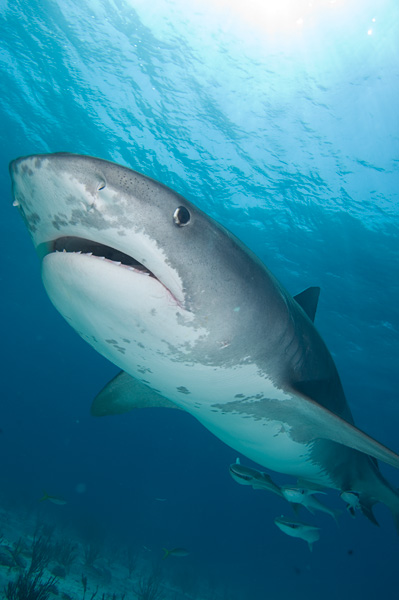
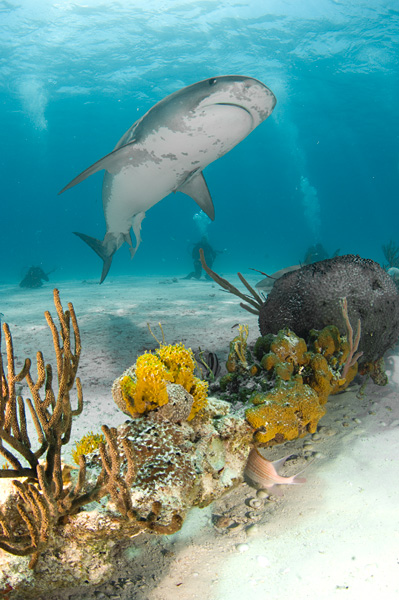
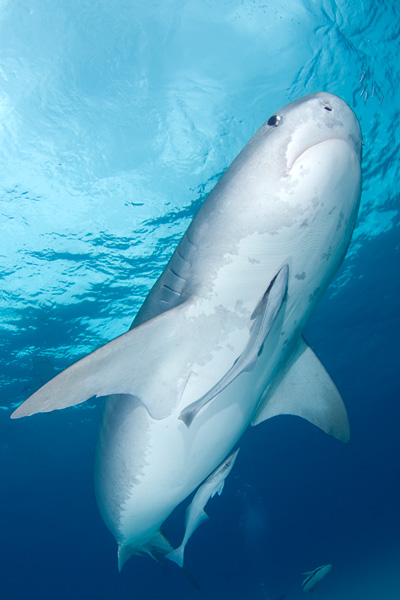
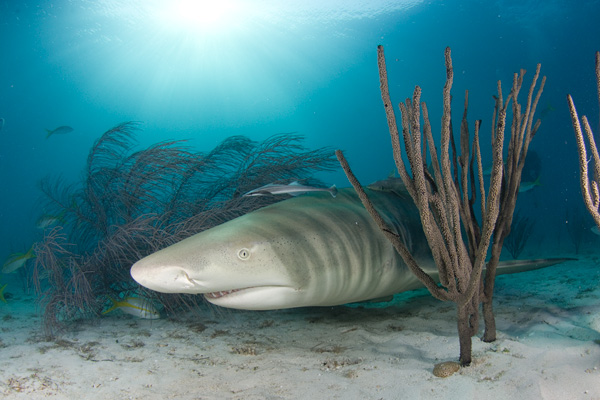
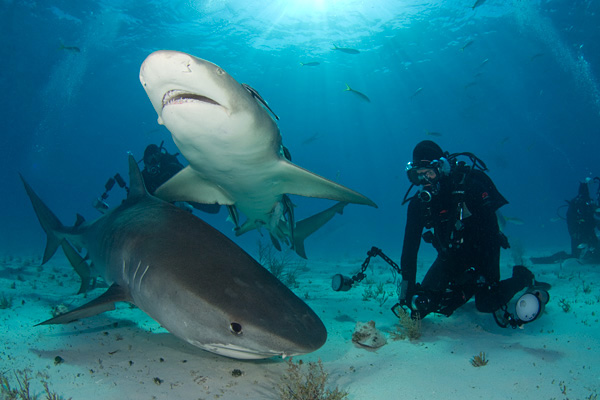
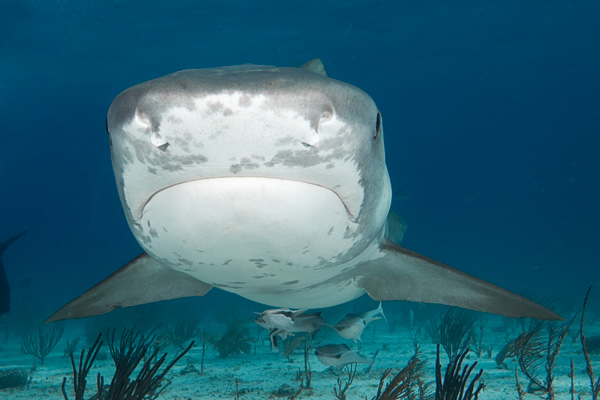
The expedition was a huge success. Tiger Beach always has a healthy supply of lemon sharks (usually around 40 or 50 once the chum gets going) but the tigers themselves can be hit and miss. Its important to have a solid player - a shark that isn't afraid of cameras, swims close to the group and stays around long enough for everyone to get the shots they want. Fortunately, that is exactly what we had. Other sharks came and went but one respectably sized tiger shark stayed with us for the entire week. I think that everyone got more tiger shark shots than they knew what to do with.

I wanted everyone to come home with great shots, a better knowledge of workflow (Bridge, Photoshop, etc) and some amazing stories about close up encounters with big sharks. I think everyone learned a lot and had a great time and I'm really looking forward to doing this again next year!

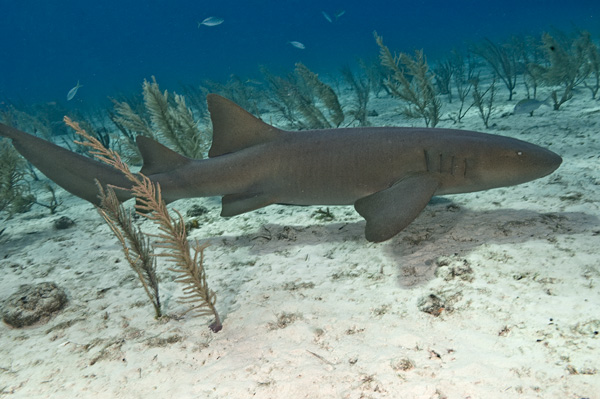
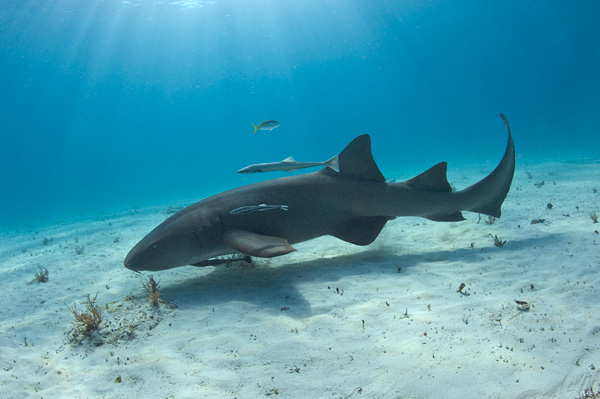
As well as lemons and tigers we had one little nurse shark that kept skirting the action. He was pretty brave to get as close as he did with all the huge carcharanids milling about but the poor guy never made it to the food.

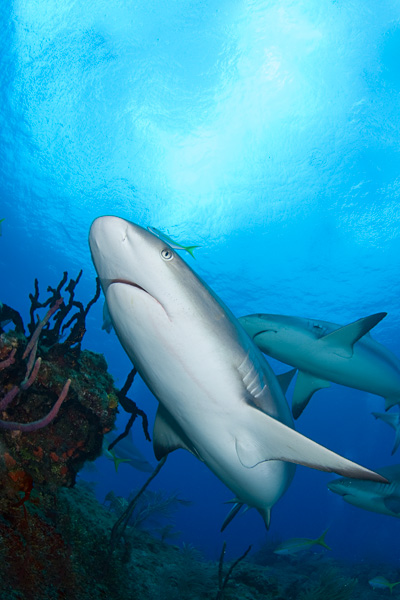
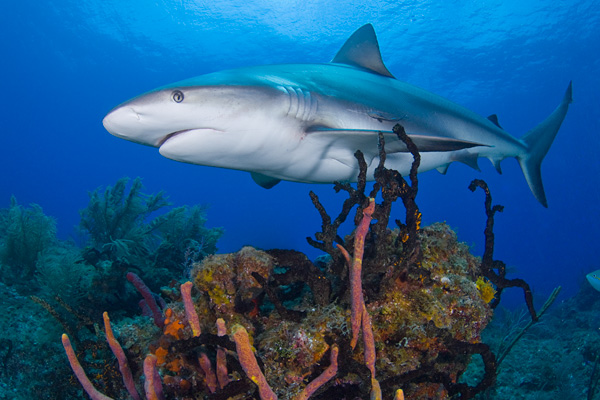
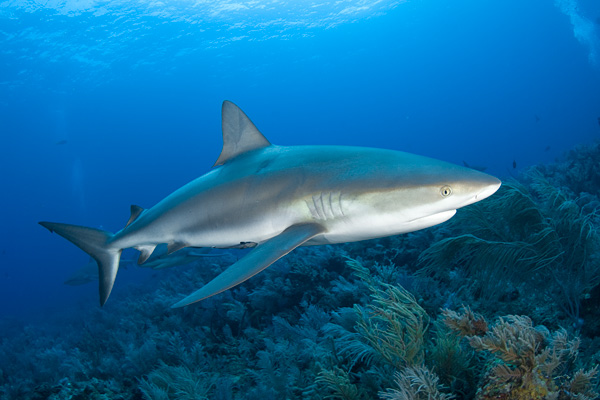
We spent the entire week exploring all the different photography opportunities that Tiger Beach has to offer except for one afternoon that we snuck off to a deeper site to chase Caribbean reef sharks. After the big lumbering lemons it was great to play with some zippy little sharks for a few hours. Everyone hunkered down next to the reef and snapped away while the sharks buzzed back and forth above us perfectly framed against the clear blue Bahamian water.

We returned to Tiger Beach to find our super model tiger shark still in residence and continued looking for the perfect shot until it was time to pull anchor and head back to Florida.

After bidding farewell to a boat load of new friends, I packed up my cameras and took a flight to Honduras.

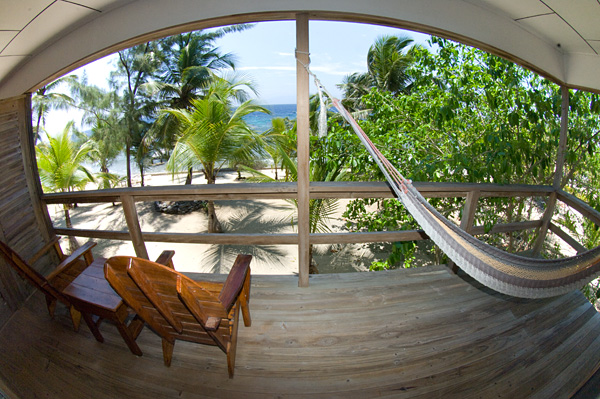
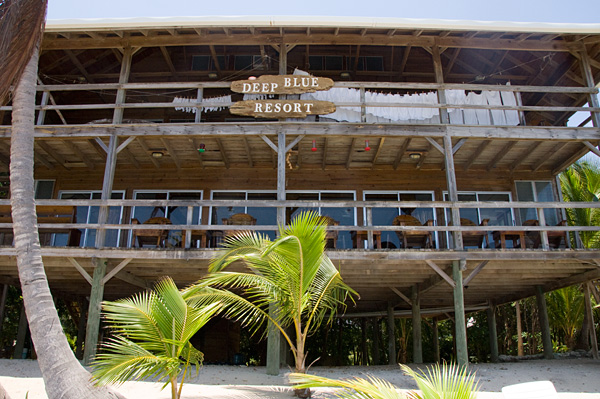
Steve Fox (Owner of the luxurious Deep Blue Resort in Utila) had graciously invited me to come and photograph a couple of deep water shark species that local fishermen sometimes encounter on the deep coastal plains around the island.

Both species we were after are rarely if ever photographed and both are data defficient according to the IUCN Red List. They are caught incidentally in other fisheries and like many deep sea species they are probably in decline. Sadly, if you chase rare sharks you have to expect to strike out now and then and on this trip the sharks eluded us.


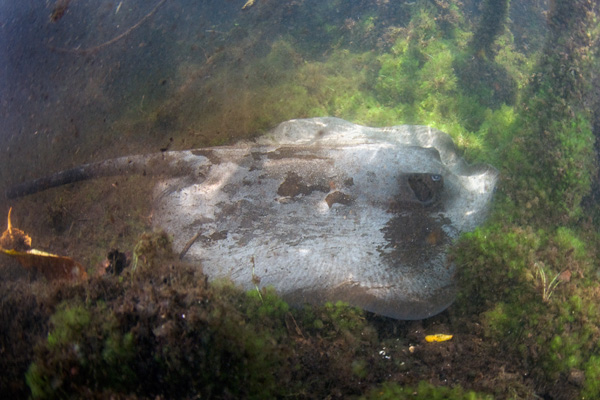
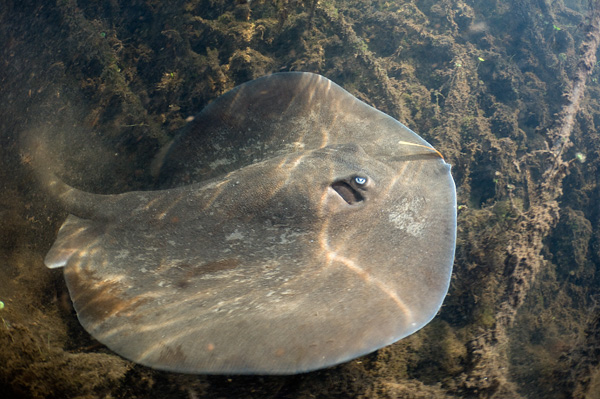
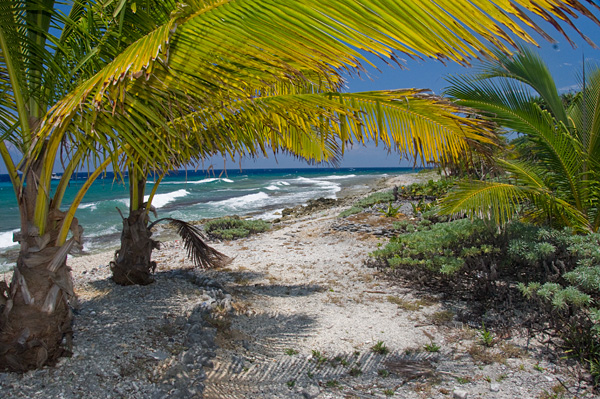
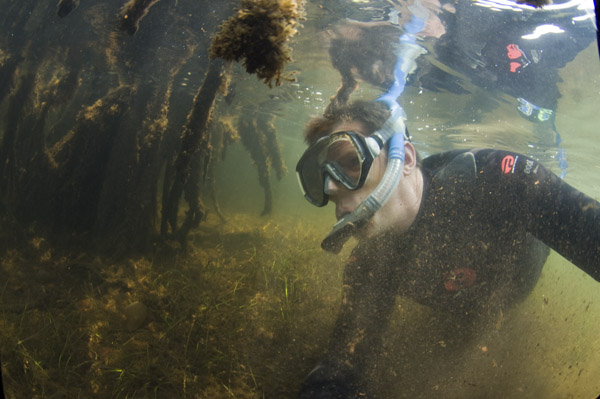
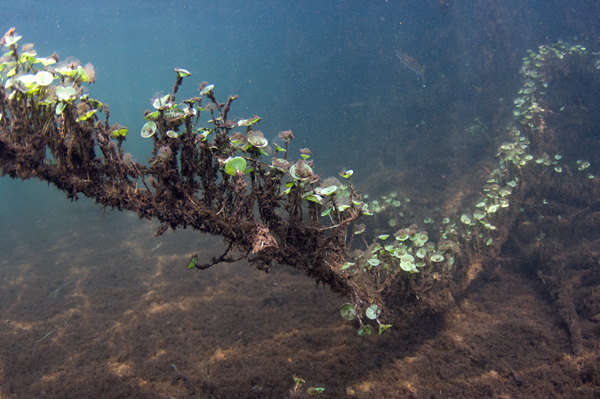
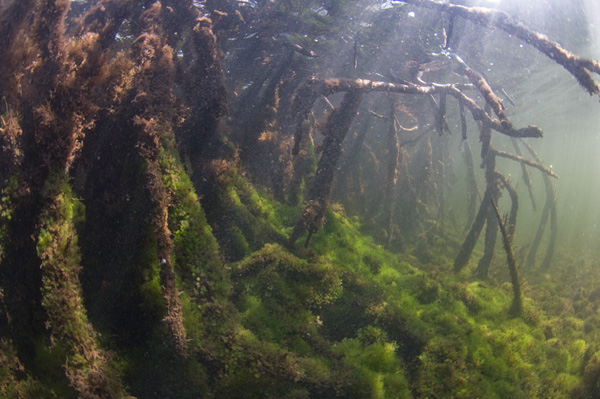
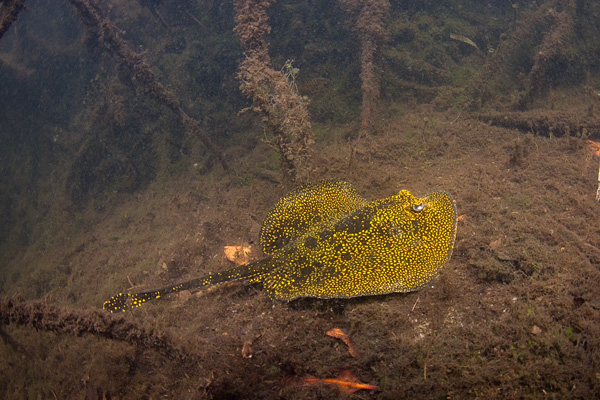
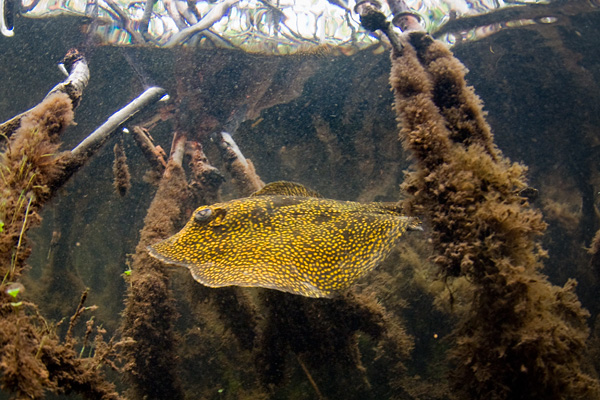
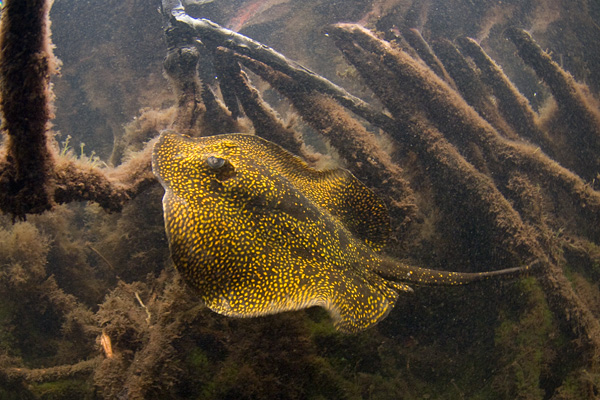
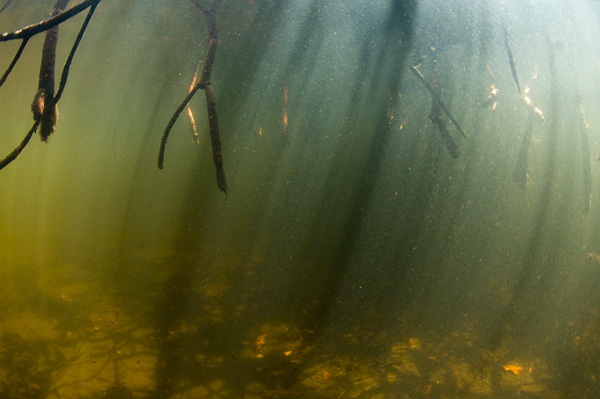
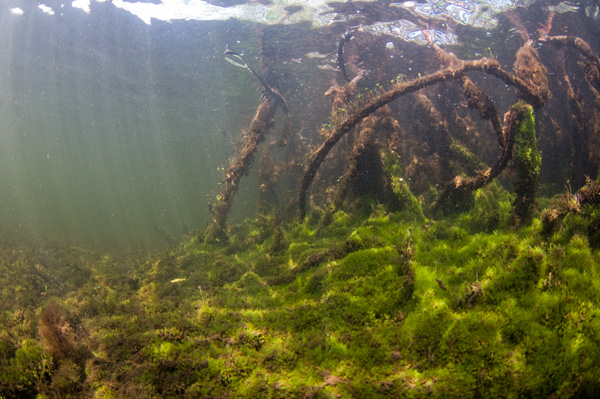
Cutting my losses, I spent the next week snorkeling in a muddy lagoon looking for a rare stingray called the chupare stingray (aka Caribbean whiptail stingray).

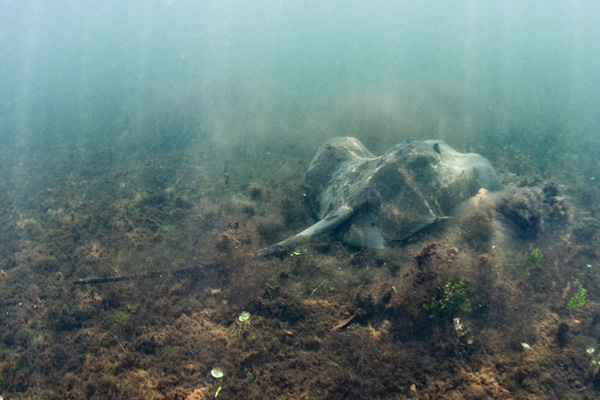
Steve (who has a cutting British wit) ribbed me relentlessly during the week when I wasn't able to find one. He was adamant that they were all over the place if only I'd open my eyes, but trying to shoot one in the low visibility environment was an extremely challenging mission.

Through a combination of luck and stubbornness, I finally cornered a ray in a pocket of mangrove and fired off a fusillade of shots while the ray kicked up more and more silt until there was nothing left to see.

Although I didn't get the quality of images I would have liked, I did take some usable ID shots so the trip was officially a success. One more species for the Elasmodiver Shark and Ray Field Guide.

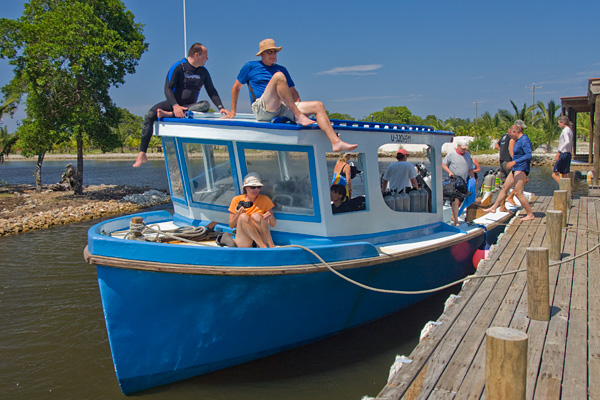
Tired of swimming around in lukewarm tea all day, I decided to take a break and head out to see some of Utila's beautiful reefs with the sensible divers. Deep Blue Resort has a seamless system for delivering divers to wonderful environments and encounters: After a leisurely breakfast, you simply stroll onto Deep Blue's private dock and get whisked off to a stunning and dramatic wall dive somewhere then climb back on board and slip out of your dive gear while the crew find you some whale sharks to play with.

Then you jump in, snorkel with the sharks (which are conveniently feeding at the surface on baitballs) and pop back onto the boat once the sharks move too deep. This is repeated time and again until the guests get tired of 'whale shark jumps' and ask to be taken to another pretty dive site.

After a pleasant lunch back at the lodge, guests are then invited to head back out on the boat for more absurdly easy diving or enjoy a shore dive on the house reef. After a week of paradise they all fly home feeling ten years younger. It's painfully easy.

I'm not jealous - really I'm not. But how come my dive trips more often involve squeezing onto a Central American school bus jammed full of locals that are carrying hundreds of chickens to some far away market. And then, sleeping on a grubby panga in the middle of the ocean with a bunch of fishermen that I can barely understand while waiting for a hapless shark to swim by. I think it's time I reconsidered my shooting strategy :)

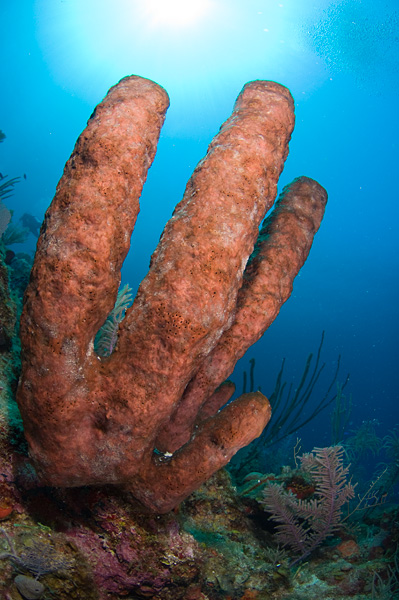
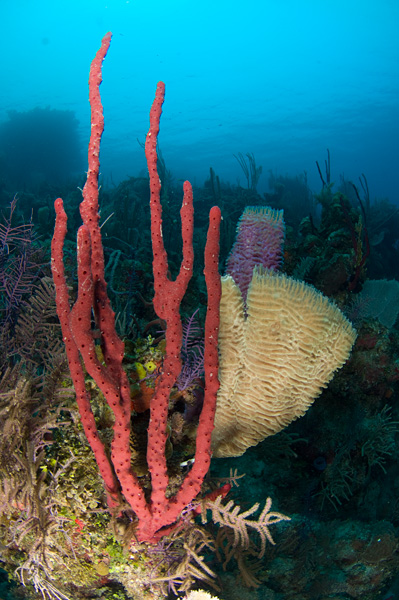
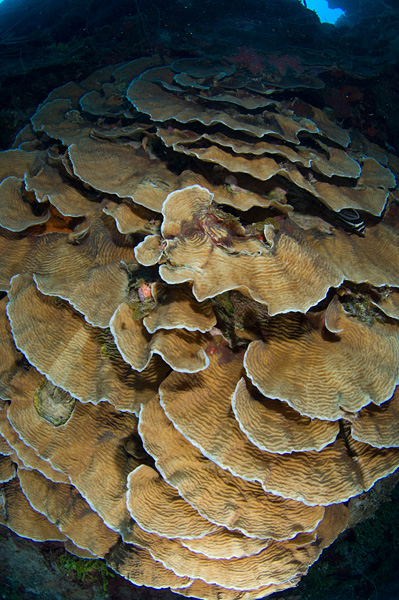
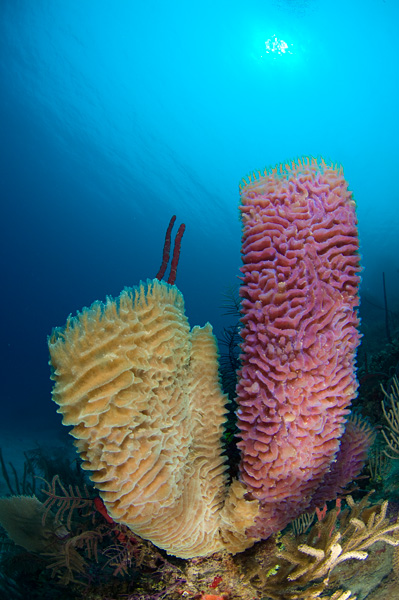
Its been so long since I did any 'recreational diving' that at first I couldn't remember what I was supposed to look at. After a while, I settled in and started shooting pretty sponges and coral formations but it still felt kind of weird not being on a shark photography mission. The whale shark jumps were much more familiar and I was happy to have the chance to snorkel (if only briefly) with a couple of big animals.

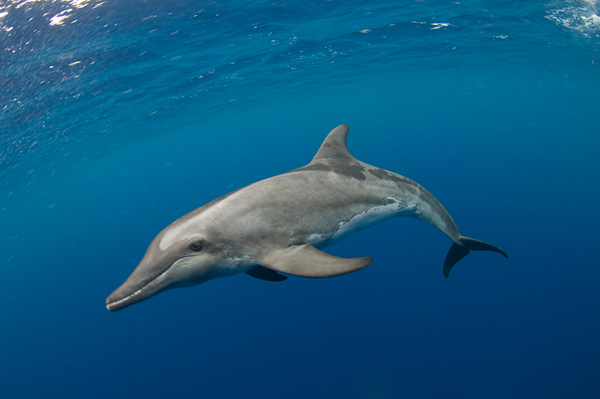
What was more unexpected was the pod of rough-toothed dolphins that we encountered. I am far from a marine mammal expert and I confess that I'd never even heard of rough-toothed dolphns. Apparently they encounter them on Utila fairly regularly and these ones were surprisingly playful. I was the only one free diving so the dolphins gave me a lot of attention and I came away with some very respectable images. I'd like to share them here but they are earmarked for a future publication. Here's one that didn't make the cut:

Having got my fix of big aquatic animals, I decided to head back into the lagoon for one more crack at the Caribbean whiptail rays. The vis had improved enough to see the mangrove forest in all its glory but the rays were nowhere to be found.

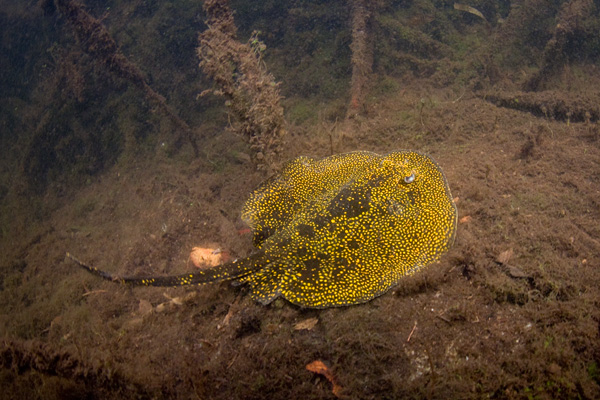
What I did stumble upon was a urolophid ray (round stingray family) that I can't positively identify. It was probably just a yellow spotted stingray but rather than the usual tiny yellow spots on a pale background this little ray was jet black with vividly contrasting orange/yellow spots. I've never seen this color variation before but then again I've never spent a week snorkeling around a Honduran lagoon.

Tallying up the elasmobranchs from the entire trip, over a 5 week period I managed to shoot nine species of sharks and rays and saw two more species distantly swimming along. Not a bad first adventure for the new decade.

Future plans...

I'm hoping to attend the American Elasmobranch Meeting in July in Providence, RI. If any of you sharkafiles will be there please let me know. After that, my next big trip will be Sharkfest. Sharkfest is three days of sandtiger shark diving with a mini shark film festival attached. It's my humble attempt to bring together a whole bunch of shark divers to dive, watch movies, tell stories and have some fun. If you would like to attend there are 3 spots left on the boat. Email me for details.

For now I'm back on Vancouver Island cleaning up pics, writing stories, diving with local species and plotting. I may be running an underwater photography workshop here in Victoria over the summer so if you're up in the Pacific North West and want to learn the basics of DSLR photography let me know!

For the sharks,

Andy Murch